

Why Solscan Became My Go-To Solana Explorer (and NFT Tracker)
 By: bdsthainguyen 30/07/2025
Whoa! I stumbled onto Solscan during a late-night wallet deep-dive. Hmm… it felt different right away. At first glance it was fast and clean. Then I kept poking around and realized it actually solved real annoyances I kept bumping into on Solana. Seriously? Yep — and not in a flashy way, but in a practical, get-things-done way that made me keep coming back.
Okay, so check this out — the basics matter. Short load times. Clear transaction views. Reliable signature verification. These are small things, but they matter a ton when you’re tracking money or minting an NFT at 2 AM. My instinct said this was useful. Then I tested it under stress and it held up. Initially I thought a lot of explorers felt interchangeable, but Solscan surprised me by being consistently snappy and feature-rich when I needed it most.
Here’s what bugs me about some explorers. They hide metadata behind layers. They force you to hunt for token mint addresses like you’re digging through a junk drawer. Solscan trims that friction. It surfaces token metadata, on-chain history, and analytics without making you click eight times. On one hand that’s great, though actually sometimes the abundance of panels can feel a bit busy if you’re just trying to copy a wallet address quickly. I like simple things. I’m biased, but speed and clarity beat bells and whistles for my day-to-day.
Practical example: I once needed to verify a suspicious transfer for a friend. Short story — we found the originating program, confirmed the signatures, and checked the token mint in minutes. The NFT metadata was readable and the holder distribution chart gave a quick sense of concentration risk. Wow! It cut a task that usually drags into something manageable. My brain calmed down. Not dramatic, but freeing.
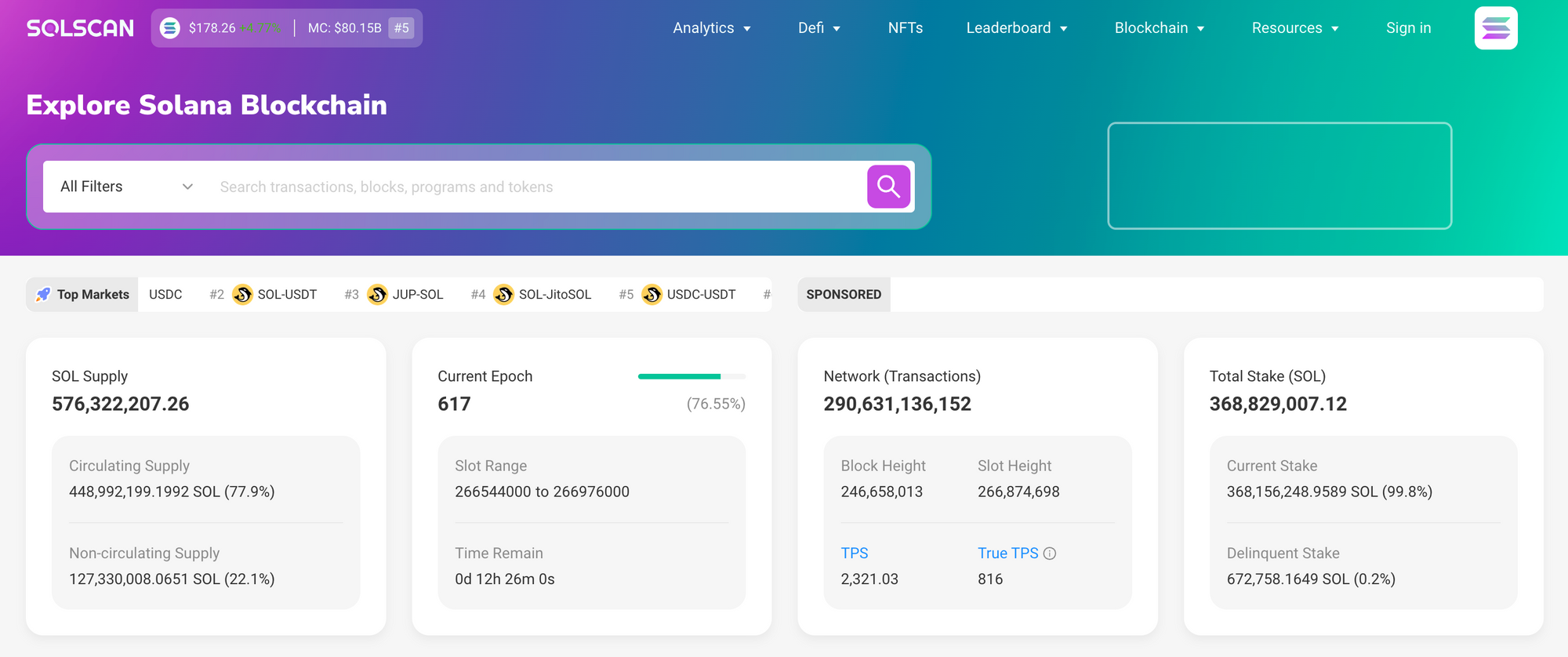
Let me walk you through three things I use Solscan for all the time. First: transaction forensics. Second: NFT mint and metadata checks. Third: token holder and liquidity snapshots. The transaction view is granular, and it shows instruction layouts in a way that helps me tell if a transfer was user-initiated or programmatic. The NFT page pulls on-chain metadata, and often links me right to the metadata URL so I can verify the art or traits. The token holder list, when paired with on-chain charts, gives a quick sense of whether an asset is centralized in a handful of wallets — which is a red flag for me. Initially I thought these features were trivial additions, but then I realized how much time they save during investigations.
Something felt off the first time I used an explorer that hid program data. Solscan doesn’t. It exposes program logs and parsed instructions. That matters when you’re debugging a failed transaction or trying to audit a contract interaction. Hmm… parsing logs is low-level, but for builders and power users it’s very very important. And hey — if you’re not technical, the interface still surfaces the highlights you need without drowning you in jargon.
Digging Into NFTs and the Tracker — the Real Deal
I’ll be honest: NFT stuff can get messy. Marketplaces point to off-chain JSON hosted god-knows-where. Royalties get entangled. Metadata sometimes disappears. Solscan helps by showing the minted metadata, the creators listed on-chain, and recent sales activity. It won’t fix off-chain hosting, though it makes the forensic part easier. Check it out for yourself here: https://sites.google.com/cryptowalletextensionus.com/solscan-explorer-official-site/
One fast example: I saw a suspicious collection with inconsistent trait files. I clicked into the mint address, and Solscan showed mismatched URIs and a split creator list. That flagged potential provenance issues. Seriously? Yes. And because I could pull the chain of ownership quickly, I avoided promoting a collection that later turned out to have attribution problems. Little victories like that add up.
On the analytics side, Solscan gives holder concentration charts and transfer heatmaps. These visuals are simple but effective. They help answer questions like: “Is 30% of the supply sitting in five wallets?” or “Did a big dump happen last week?” If you’re running a project, that kind of transparency matters for both governance and trust. If you’re an investor, it’s a quick risk check before you click buy.
But it’s not perfect. Some UX flows feel a bit dense. The token approval and delegate views are powerful, though they can overwhelm newcomers. I found myself saying “Wait—where did that option go?” and then hunting around. Minor gripe. Also the site can show cached data sometimes, so refreshing is your friend. Somethin’ to be mindful of when time-sensitive actions are at stake.
From a developer perspective, Solscan’s program page is a goldmine. It lists deployed program IDs, transaction counts, and instruction breakdowns. You can inspect recent interactions and even look up specific instruction parsings. On the other hand, for non-developers that level of detail can be overkill. So I’ve learned to toggle between deep dives and quick checks depending on the situation. Initially I thought I’d always need the deep view, but then I realized I mostly need the quick checks; the deep view is there when the smoke starts.
Regionally, I use Solscan a lot when coordinating with US-based collectors and teams. It’s common in chats to say “check Solscan” the way folks say “check Etherscan” in Ethereum circles. That American shorthand helps when you’re on a deadline or trying to diffuse FUD in a Discord channel. And yeah, sometimes folks drop pride and admit they just used the explorer to confirm a trade at 3 AM — no shame, been there.
Okay, two quick pro tips from my playbook. First: bookmark the transaction permalink when troubleshooting; it saves time and context. Second: use the CSV export for holder lists if you want to run offline analysis. Both are small, but they change the workflow. They make data portable and sharable for governance calls or reporting. These are the sorts of practical habits that keep things moving.
FAQ
Is Solscan safe to use for sensitive checks?
Mostly yes. It’s a read-only explorer that surfaces on-chain data. It won’t access your wallet keys. Still, double-check URLs and avoid pasting private keys anywhere. I’m not 100% sure of every third-party integration, so caution is wise.
Can I verify NFT metadata reliably?
You can verify on-chain metadata and follow linked URIs, but if metadata is hosted off-chain then persistence depends on the hosting. Solscan makes the verification steps clear, but it can’t force off-chain durability.
Does Solscan work well for devs?
Yes. It exposes program logs, instruction parsing, and transaction internals which are useful for debugging and monitoring. For quick onboarding, though, expect a learning curve — especially if you’re new to Solana’s instruction model.
Alright — final thought. Solscan isn’t perfect. It doesn’t need to be. It’s reliable where it counts, and it’s practical when you’re under pressure. Honestly, that pragmatic streak is what makes it stick for me. I’m biased toward tools that respect time and sanity. This one does. So next time you need to vet a mint, trace a transfer, or just confirm a wallet balance during a dizzy market swing, give Solscan a look. You might breathe easier. Or at least avoid a dumb mistake… which is worth a lot in this space.